
Whale entanglement advice.
-
Hi There,
Just wondering if anyone in the community can help with the questions below from the regulatory authority in western Australia?
We are a applying for a one Hector site to grow kelp on single tensioned lines. The lease is located in 6 to 10m of water close to a harbour in Augusta Western Australia.
The requests are listed below, An advice will be greatly appreciated.
Provide any correspondence with marine scientists, technical diagrams for your growing lines to be used at your site (Greenwave course recommendation) and also the name/type of aquaculture gear you will be deploying will assist with addressing DBCA’s concerns.
Provide documentation which attests to this aquaculture gear type not being involved in whale entanglement.
START A DISCUSSION

@paul_english There was some discussion about whale entanglement in the response to this post. May be a good place to start?
FYI - I've moved your post to the site evaluation + permitting topic to get you some more visibility since this seems to be a permitting question.
@jwhis Thanks Julia.
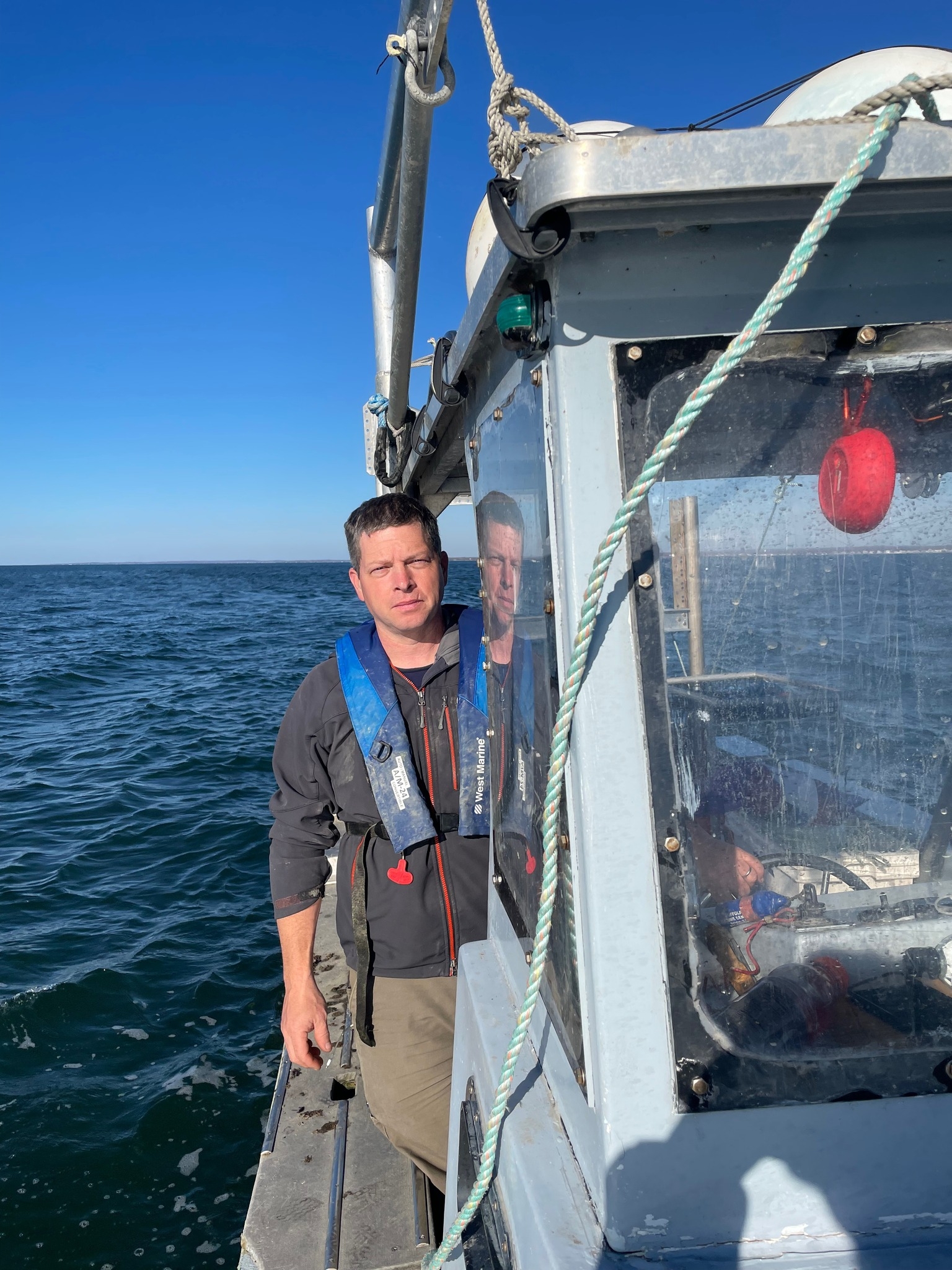
Paul, this is an important topic and while I’ve not heard of any entanglement problems in any of the seaweed farming areas in the US, there is concern within the Protected Species agencies of our government.
It could be argued that the concern is misguided, however, since we put lines in the water, the scrutiny is probably unavoidable. Here, it has taken time, but I think the essential differences between seaweed farms and passive fishing gear are now sufficiently understood. Simply stated, it’s pretty hard to get entangled in a line that is under tension and unable to get wrapped around a fluke or fin.
Therefore, maintaining tension in all the lines of the system is the key. This means minimizing or eliminating the use of slack-line pick-up buoys. It’s simple enough to grapple for what needs to be pulled to the surface. Also, for crops needing flotation to keep things within the photic zone, it is better to use fewer, larger buoys for support, since it’s slack vertical lines that are seen as the greatest risk and fewer of them with all being under greater tension clearly helps.
I’m also a fan of more compact, more densely farmed sites vs. wide-ranging operations with widely spaced independent growlines. A denser farm presents a stronger acoustic presence for marine mammals to sense and avoid.
Cliff
@clifford_goudey Thanks a million for the Advice, I really appreciate the help. Cheers.
@clifford_goudey Thanks a million for the Advice, I really appreciate the help. Cheers.
@jwhis Thanks Julia.