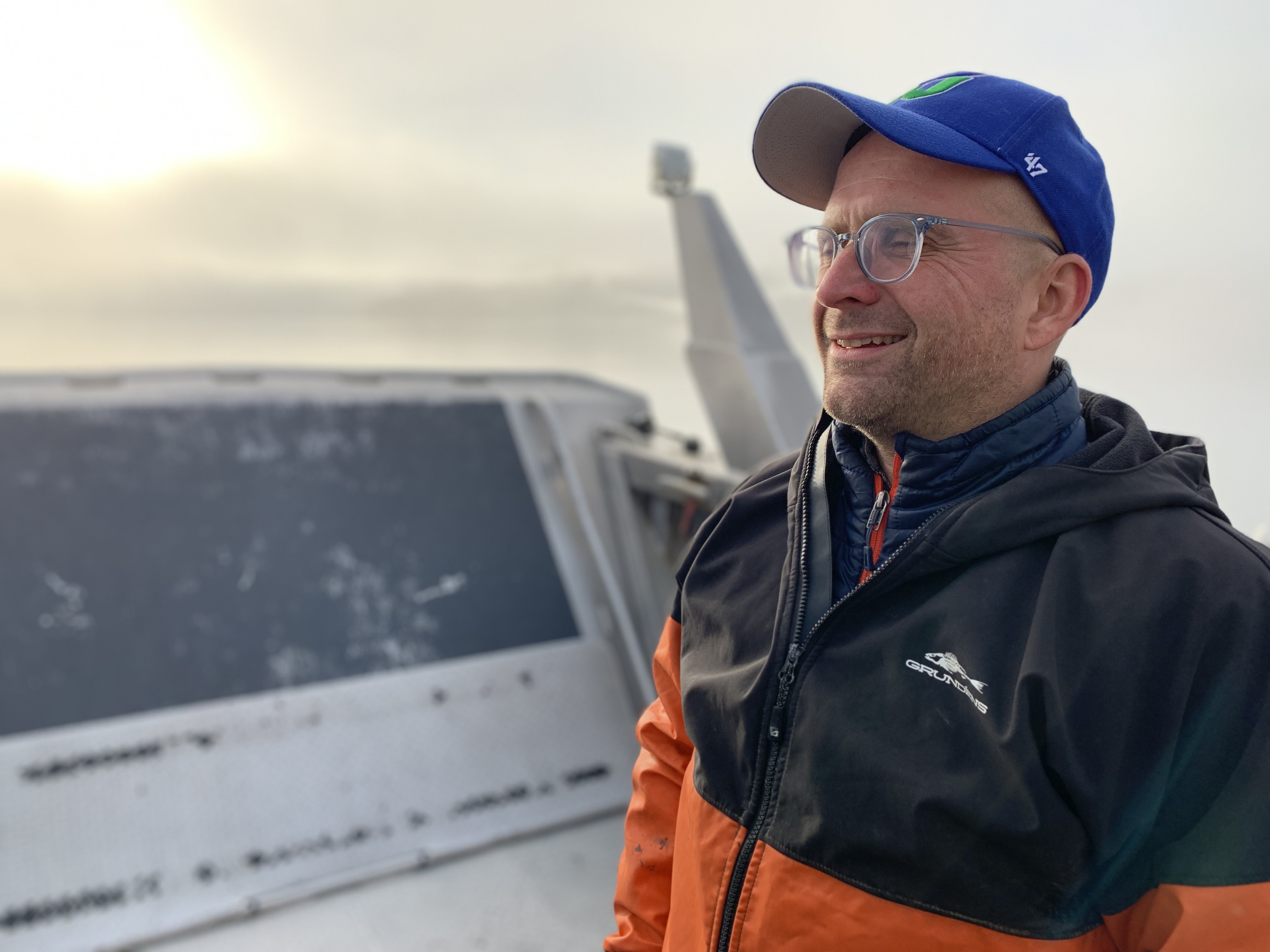
You can learn as much from two lines of kelp as you can from 20.”
Back to: Gear Prep
In your first year of farming, there’s a lot to figure out. You’ll need to decide what gear to purchase, how it all fits together, and how to safely and effectively install it on your farm site. There are so many unknowns during this time—about your array system, your site, and how well kelp will ultimately grow there—so we highly recommend you approach your first growing season as a pilot. Go through all the steps of running your farm, but do it at a very small scale, and try to minimize your up-front capital expenditure as much as possible. By minimizing your overhead, you’ll reduce the risk of investing in the wrong equipment, site, or system. In essence, you want to plan a farm, but plant a garden. In your first year of farming, the goal is to figure out where the choke points are in your system, determine what does or doesn’t work well on your site, and learn as much as you possibly can.
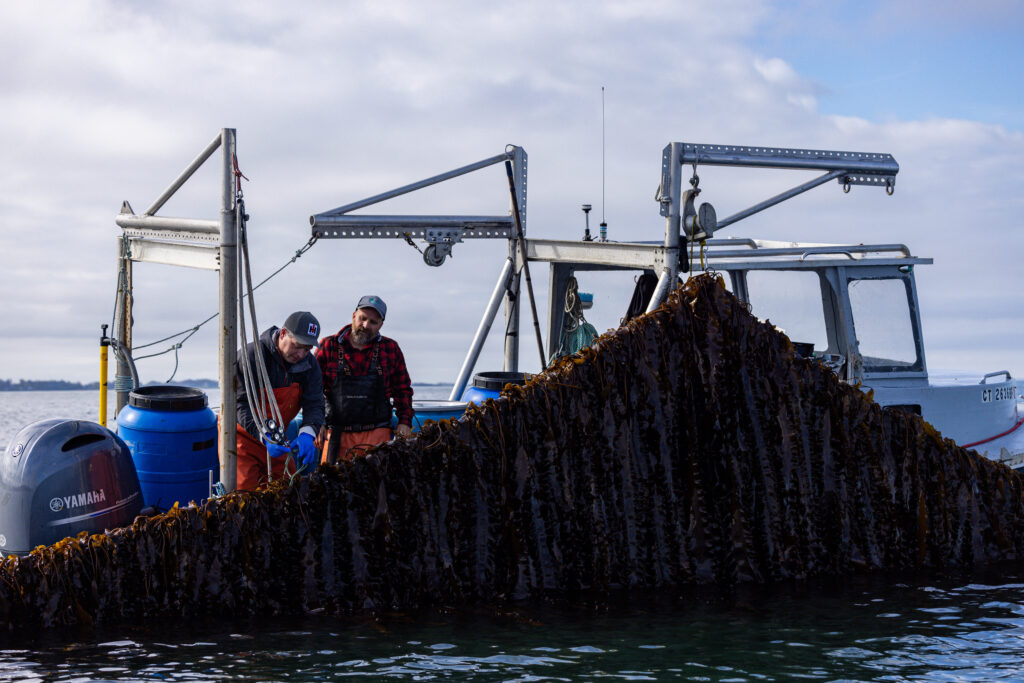
You can learn as much from two lines of kelp as you can from 20.”
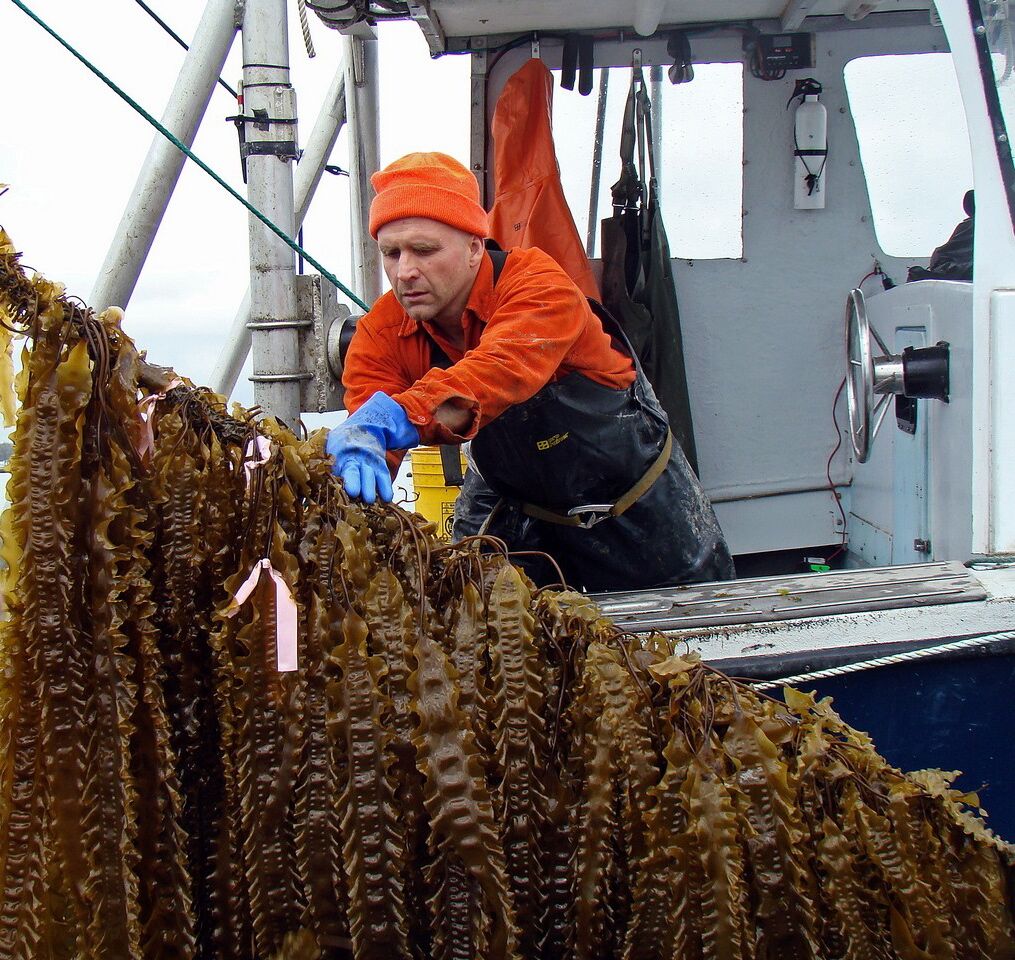
Once you have your gear in the water, use these three questions to guide your observations of how well your crop is growing. Look for biofouling on your kelp, and record when it starts to occur. Notice the color of your blades, and send your kelp out to a lab for testing to figure out its nutrient composition and whether there are any heavy metals or food safety concerns. And weigh and record the biomass that grows on your lines throughout the course of the season, so you have a record of growth rate and can better predict future yields. Then, once you have a pilot year under your belt, look back and assess what worked and what didn’t, and start to think about how to best scale.
What’s on the kelp?
What’s in the kelp?
How much kelp?
You may have noticed that the Active Farmer Hub dashboard is organized by season. Within each season, there are courses that pertain to farm operations and courses that pertain to sales and marketing. We’ve organized our guidance this way because we see these activities as inextricably linked. You can’t run a commercial farm without a market. At every stage in your annual cycle of farm activities, you should be thinking about how you’re reaching your customers, making progress on securing orders for the upcoming harvest, and growing your brand.
In the first year, when you’re still figuring out the basics of farm operations, focus your efforts on relationship building. Reach out to potential customers or established buyers in your region and introduce yourself. Use this time to build awareness of your business and make connections with partners in your area. Then, based on your observations and experiences during your pilot year, decide which market opportunities are best suited to your farm, and scale your farm infrastructure and your business accordingly.