If you don’t untwist your anchor line or aren’t able to get all of the twist out, you can install a swivel in your anchor system at the bottom, which will help the line work out its natural twist when the system is put under tension.
Lesson 3
Prep Your Lines
Back to: Gear Prep
Measure & Cut Your Lines
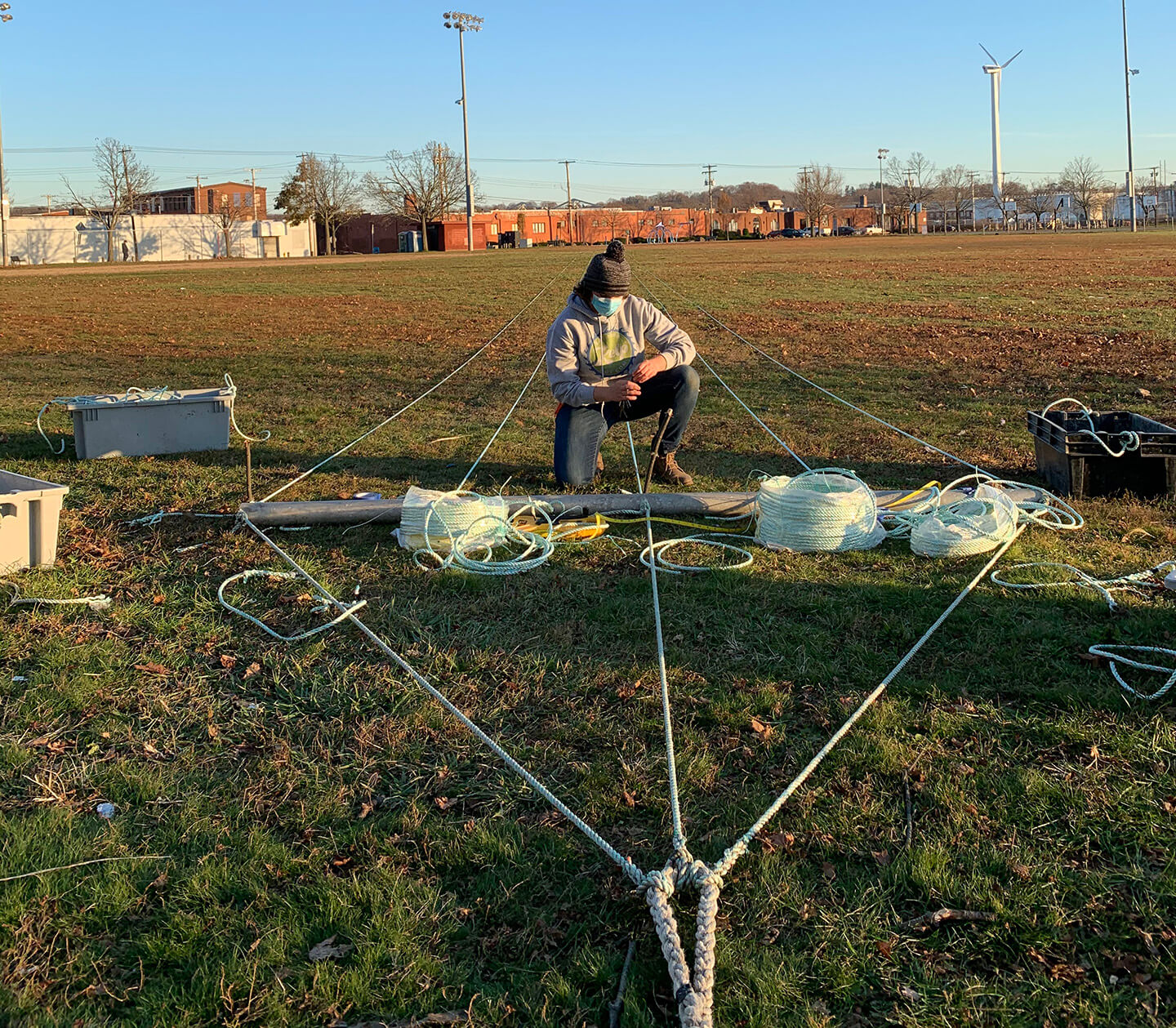
If you’ve ordered new line, it’s probably arrived tightly wound either on a spool or in a coil, and it’s likely that a natural twist has been trained into the shape of the line. As you unspool it, you’ll want to try and work this twist out by manually spinning it in the opposite direction. Applying tension to the line as you’re untwisting and unspooling also helps. A seemingly easy task, this actually requires a fair bit of work to get right. Leaving the twist in the line could cause your gear to tangle or flip in the water, or it might create excess slack in your system, leading to unequal lengths of identical gear components, such as the growlines in your 5-line array.
Tool Tip
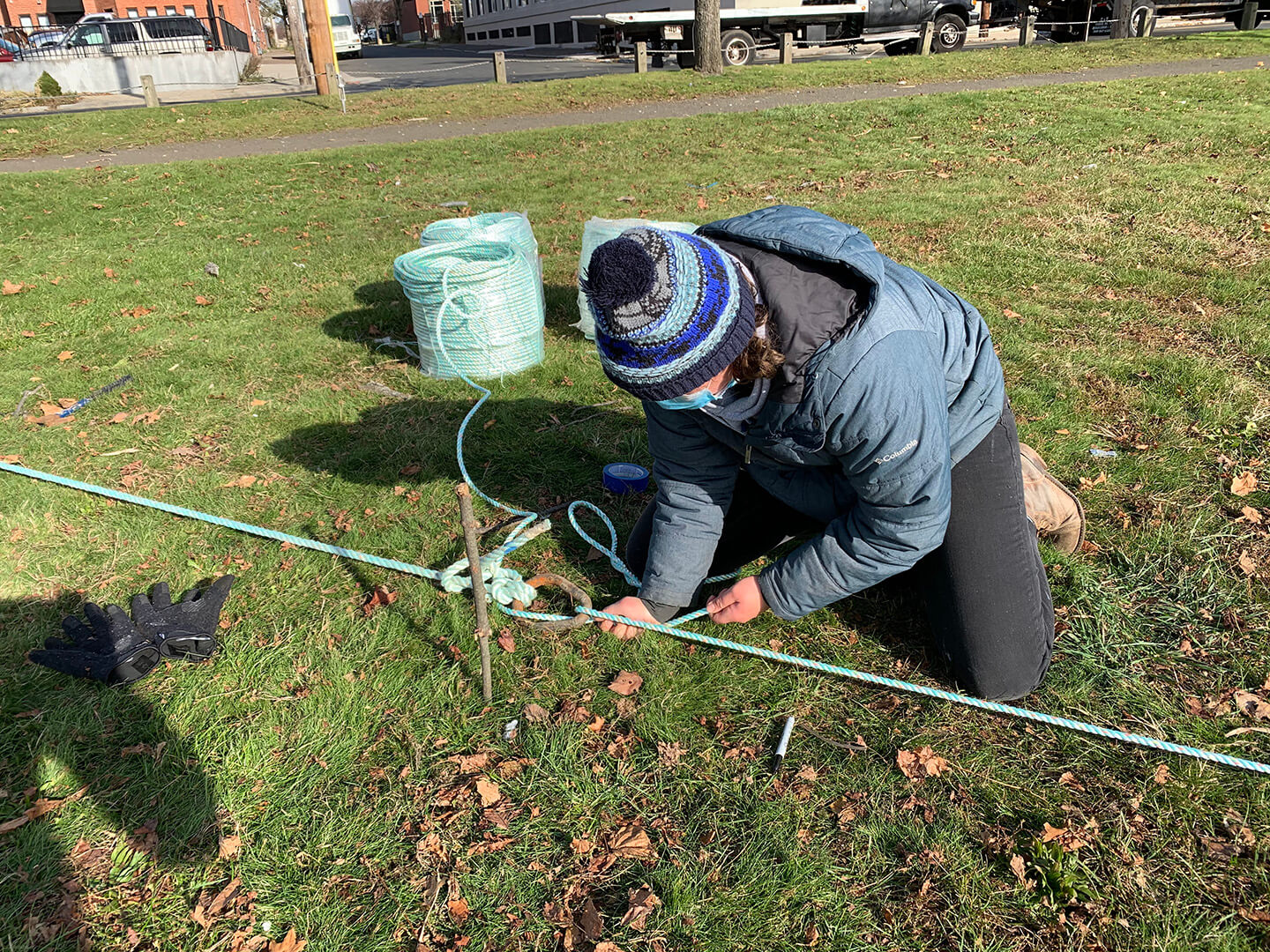
When measuring your lines, it pays to be as accurate as possible, as this will help the array sit properly in the water. Try to apply the same amount of tension or pull to your line as you measure and cut different lengths. You can do this by either having someone hold one end of a line while you pull against them, or affixing an end to something firm and pulling tension yourself. A long surveyor’s tape can be helpful in this process as you’re measuring the line.
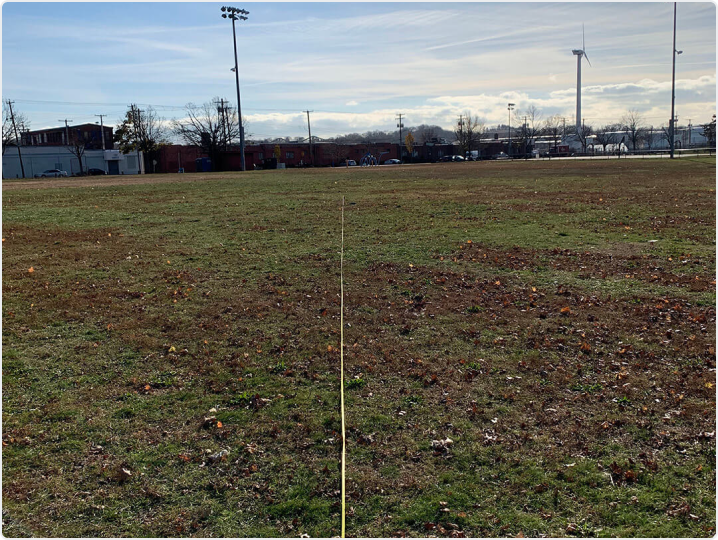
While you have your lines stretched out to their full dimension, you’ll also want to mark significant points along the line. We recommend using black electrical tape to mark the halfway point of your growline and the points along the line where you intend to add your growline flotation buoys—roughly every 50-60 feet.
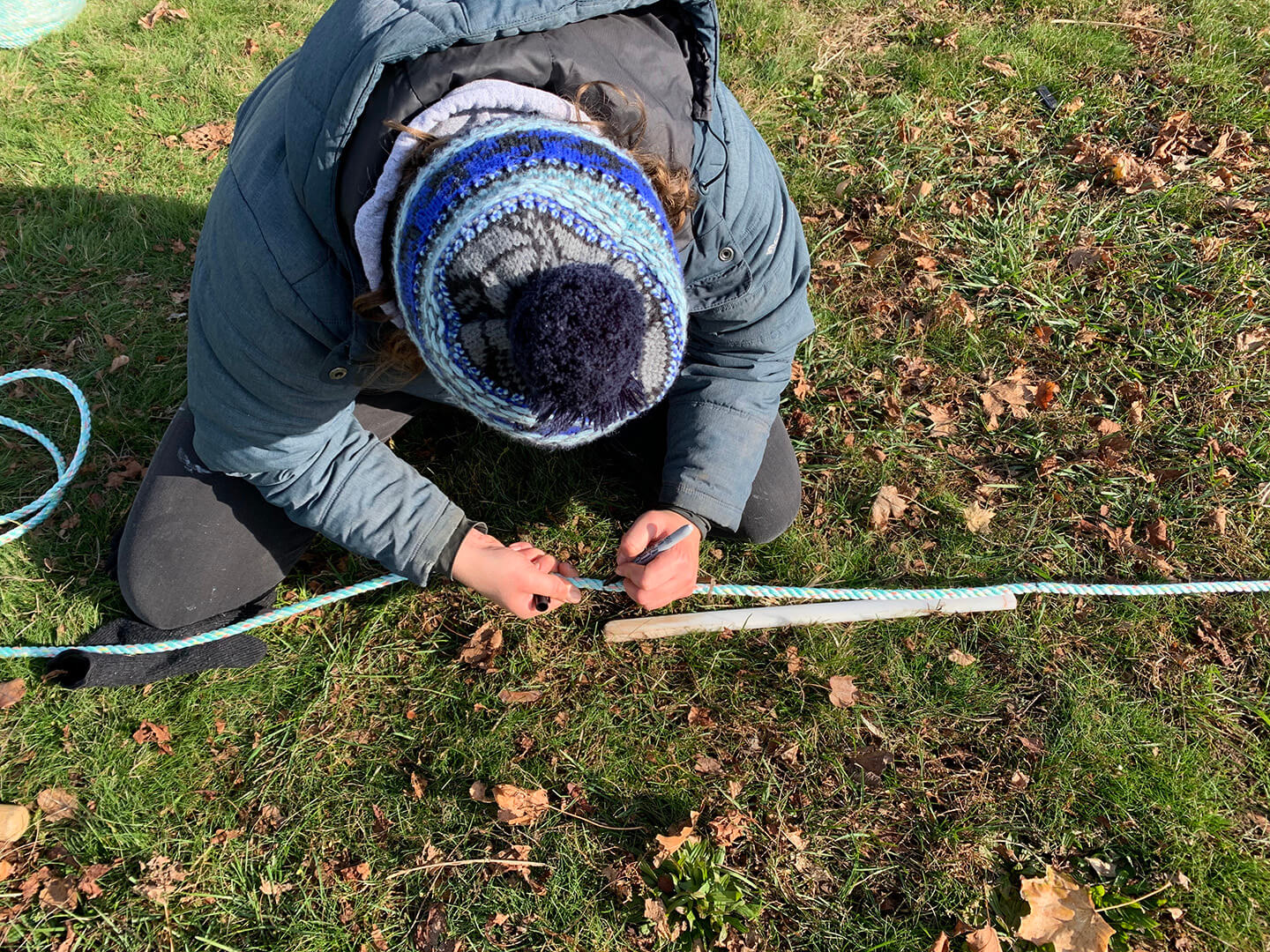
When cutting any line, it’s always a good idea to tightly wrap the section you intend to cut with several wraps of black electrical tape and cut directly through the tape. You can finish the cut by melting the new ends of the line with a lighter. Hot knives also work well. These tricks help keep your lines from unraveling and fraying underwater.
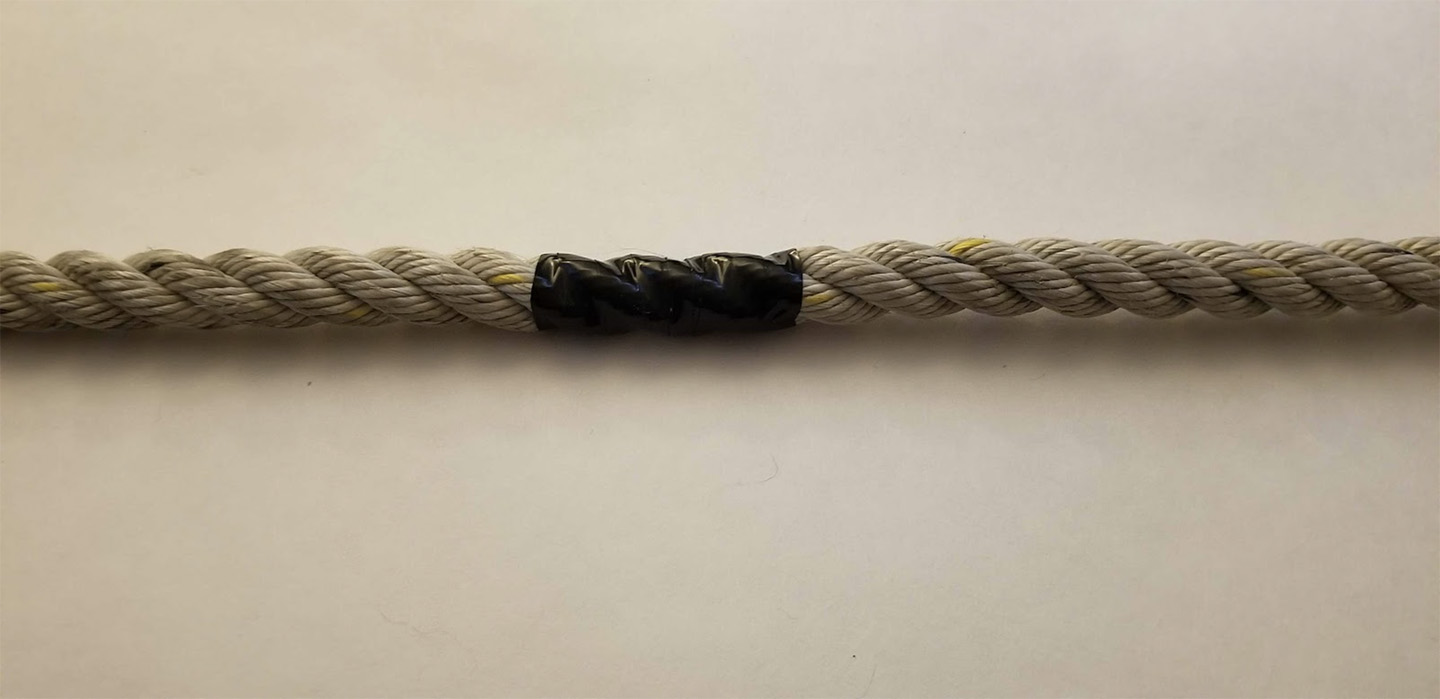
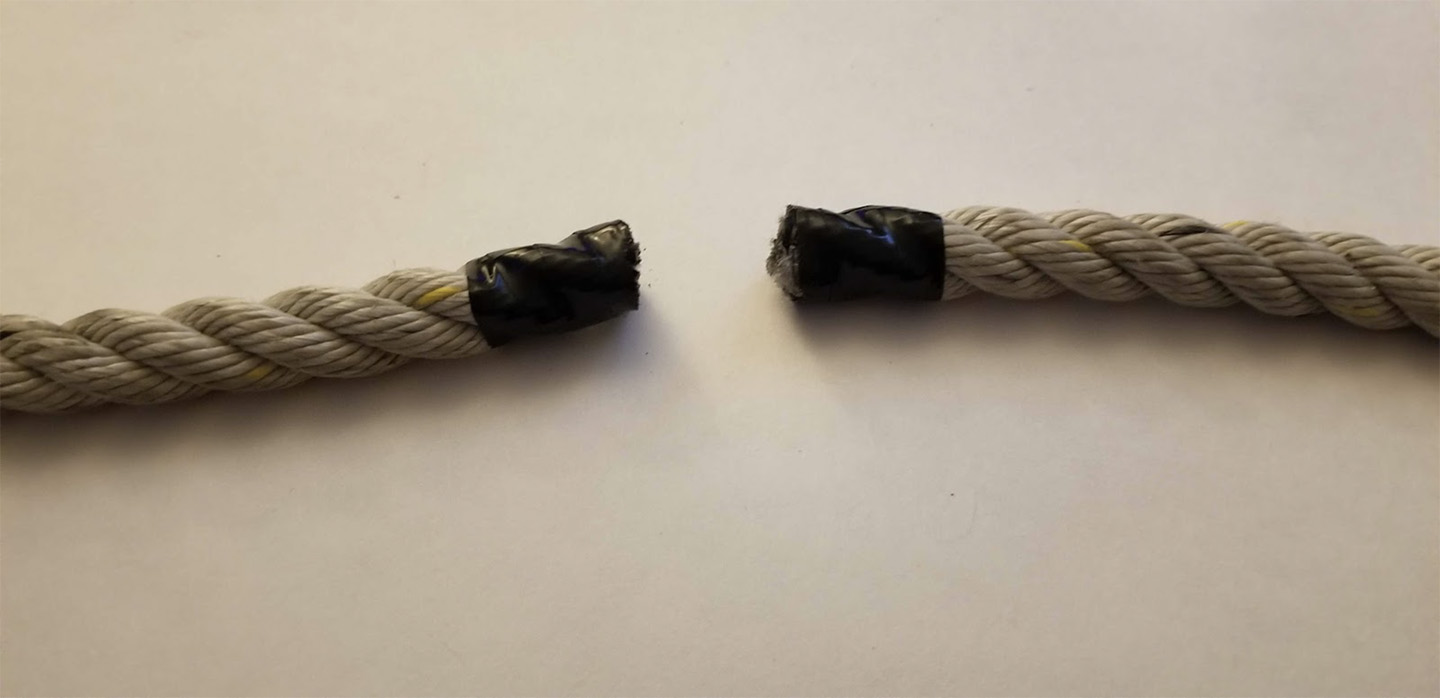
Using black tape when cutting different lengths of line keeps ends from fraying.
Flake and store lines
After you’ve cut your lines to length, you’ll want to keep them organized so they’re easy to locate, identify, and ultimately deploy. Use whatever system works best for you. Blue painter’s tape works well for labeling. At GreenWave, we flake each individual line into its own stackable fish tote to keep it separated and neat for storage and, ultimately, transport to the farm.