Back to: Harvest
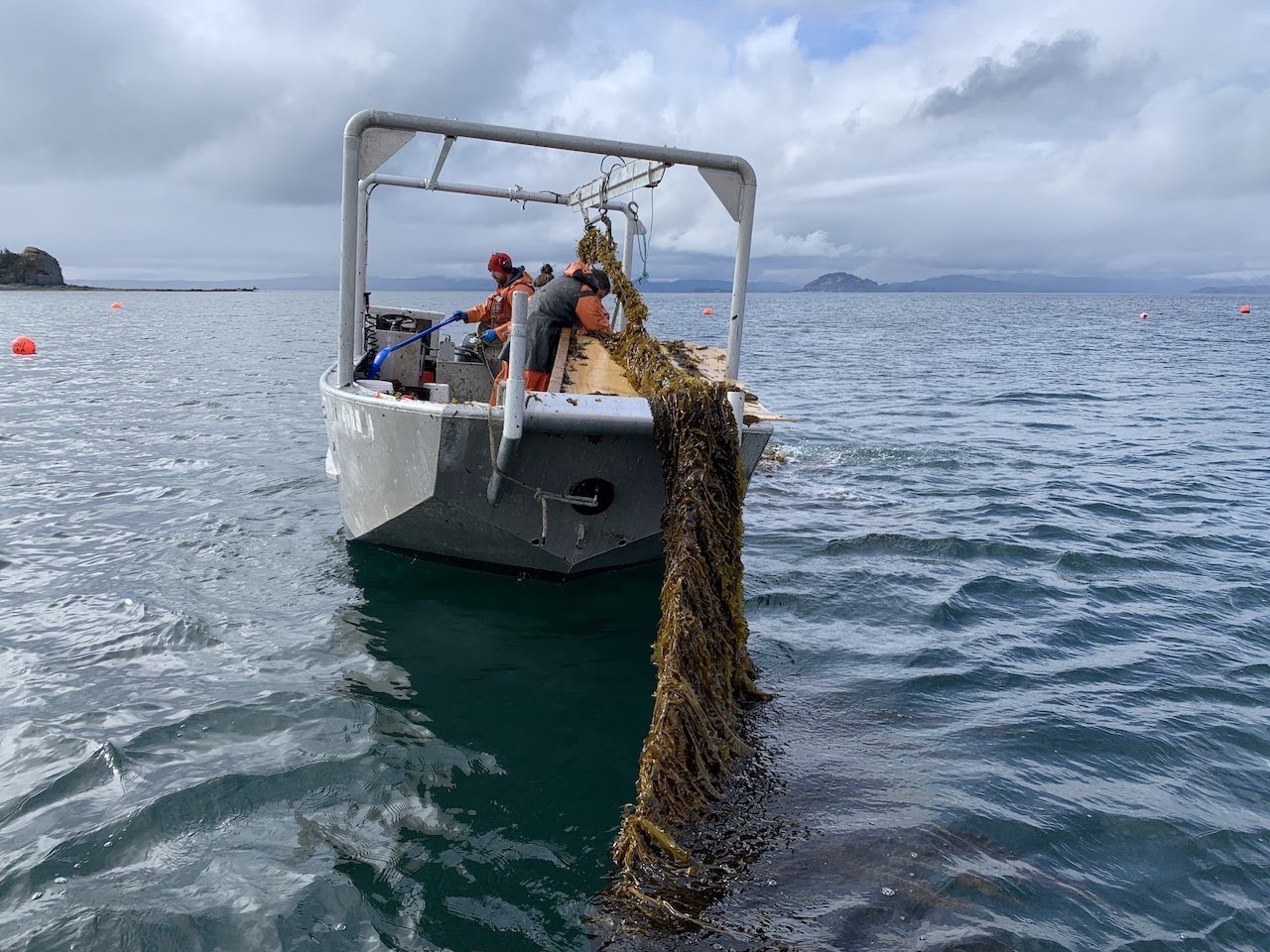
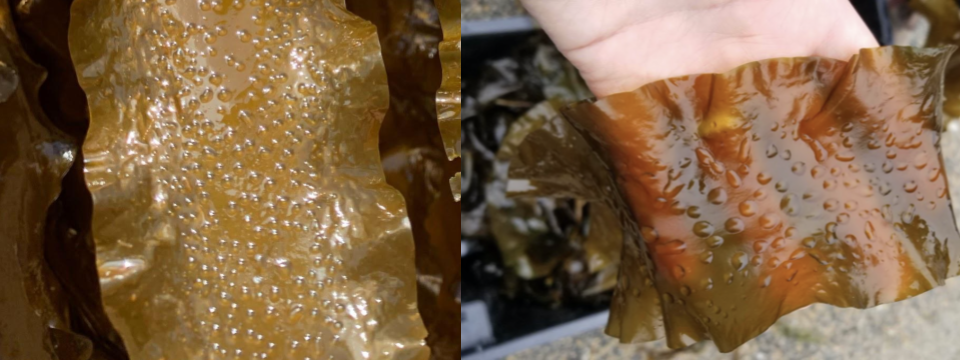
Biofouling is the most influential factor in deciding the timing of your harvest, but to the best of your ability, you’ll also want to choose your weather. Try to pick cool, dry days to harvest. If your kelp is exposed to heavy rain it could potentially blister–a condition where the surface of the kelp gets a pock-like pattern that’s unsightly. Exposure to high air temperatures or lots of direct sun can also cause the quality of your kelp to drop more quickly. There are ways to guard against this in your harvest configuration – such as covering totes after they’re full, or storing cut kelp in floating bags in the water – but be aware of the environmental factors at play.
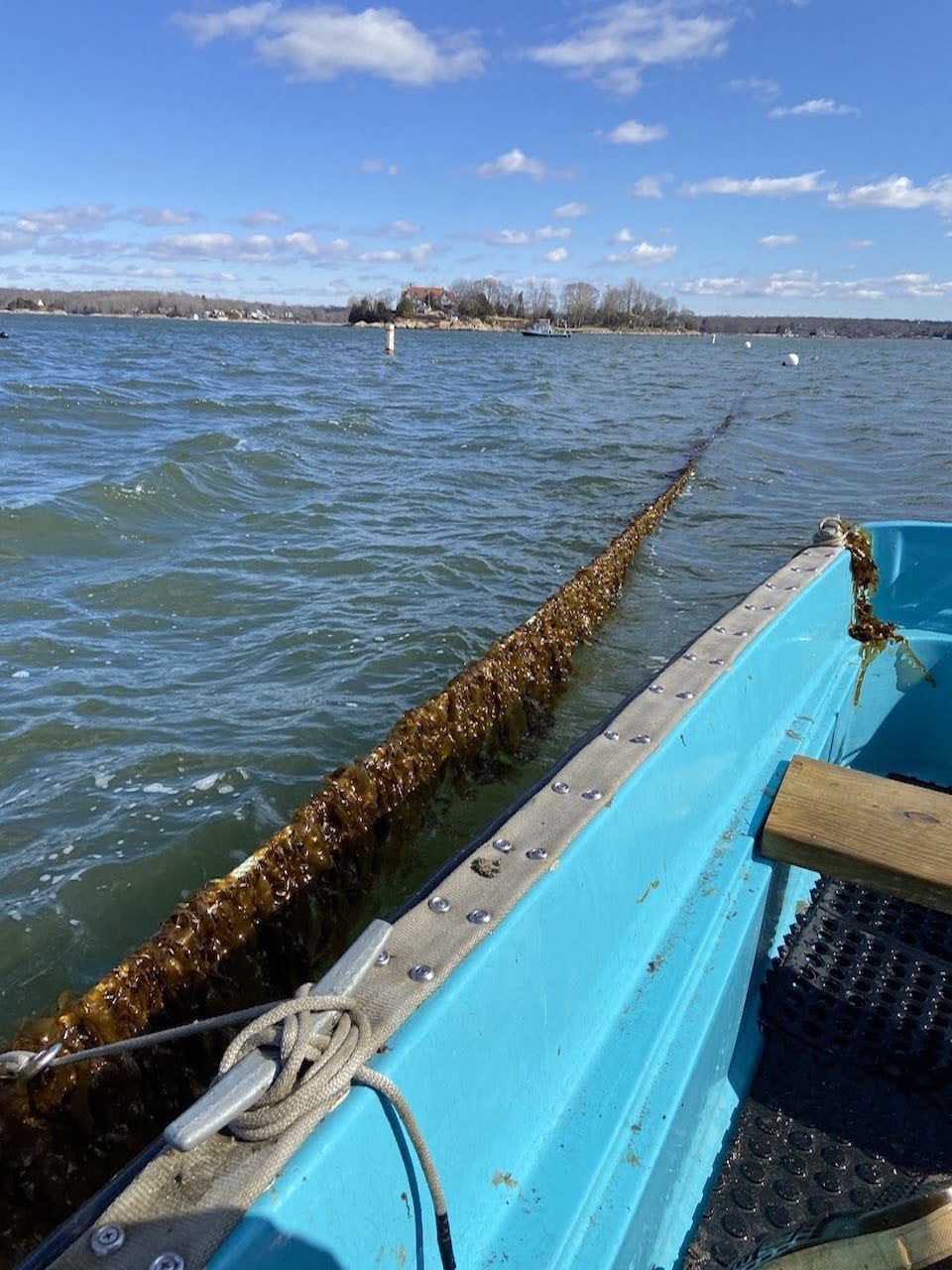
You’ll also want to think about what the wind, waves, and tide are doing during your harvest window. Harvesting requires you to be tethered to your array, pulling a significant amount of weight out of the water. This process will undoubtedly be smoother and safer in calm weather. You also want to think about which way the tide or current is pushing your boat and the lines of your farm. Arrange your harvest configuration so that you’re working with the tide. If you detach any lines from your array system, ensure they’ll float free of the matrix of your kelp arrays, rather than snagging or tangling with neighboring lines.