PickYourOwn.org has compiled a list of cottage law requirements by state.
Lesson 2
New Product Development
Back to: Nurturing & Preparation
Pick a Production Method
When you’re happy with your piloted product, you’ll then need to figure out how you’re going to get it made on a regular basis.
If you are making value-added products at a very small scale, you may be able to produce your recipe at home and sell it at farmer’s markets. Rules and regulations vary by state.
If your process would benefit from commercial equipment, you could approach an existing food business that is closed on certain days or times when you might be able to use their kitchen for production. In addition to restaurants, caterers, and food retailers, consider approaching churches, VFW posts, and event spaces.
You can also make your product yourself in a shared commercial kitchen. These spaces, sometimes called “commissary kitchens,” are facilities where multiple businesses can utilize the same space to prepare, package, and store their food — all using professional equipment in a food-safe environment. Most commercial kitchens charge by the hour, with additional fees for the storage of ingredients and finished products.
Co-Packing
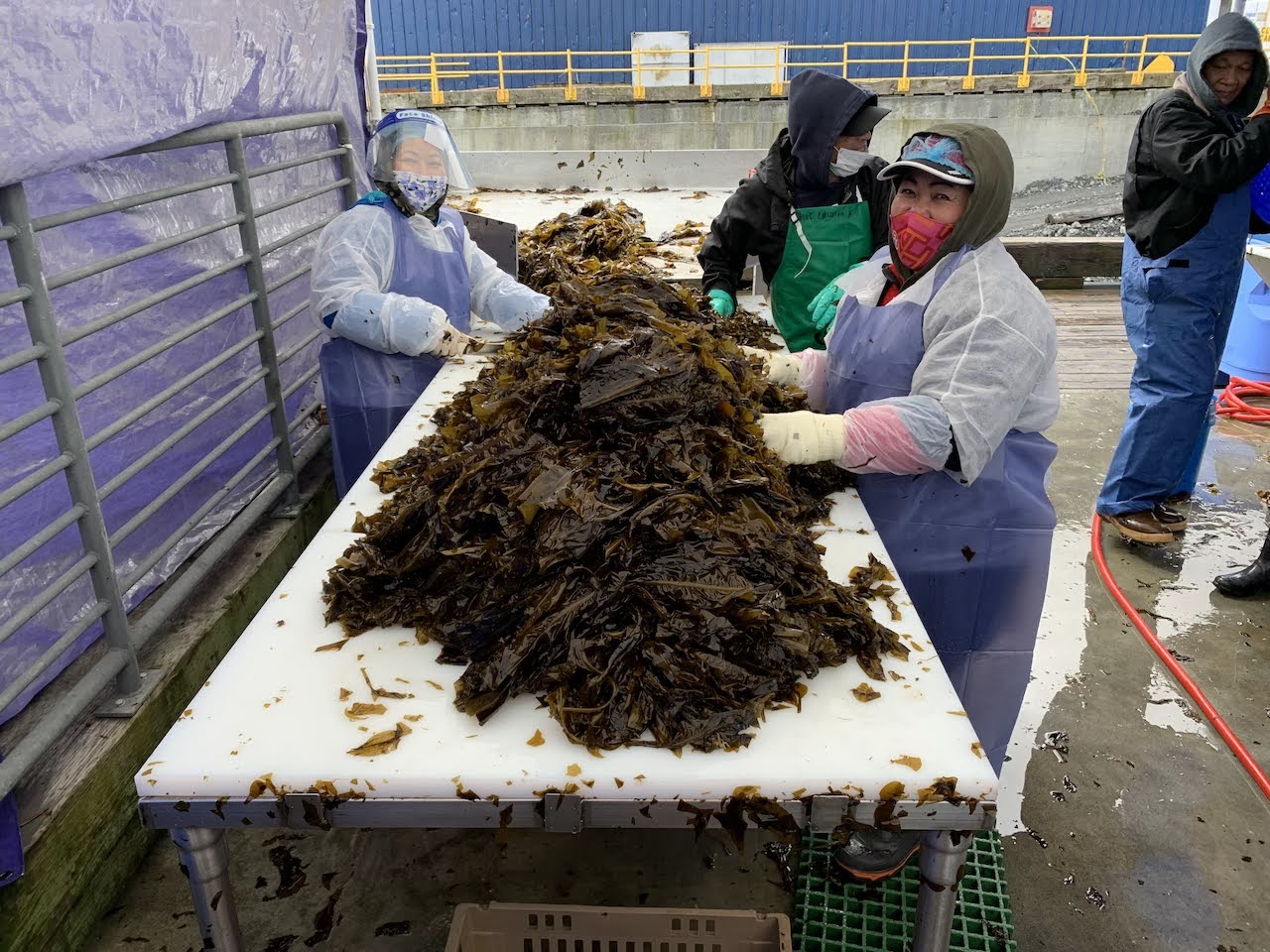
Finally, you may want to consider co-packing. Co-packers have certified commercial kitchens, professional-grade equipment, a team of trained employees, and deep expertise in food manufacturing and safety that allow them to produce large volumes of food products efficiently and cost-effectively.
It may make sense to work with a co-packer if demand for your products has increased rapidly and you’re struggling to keep up, if you don’t love the actual work of food production, or if you don’t have access to a commercial kitchen space close to home. However, co-packers don’t make a lot of sense for businesses operating at a very small scale, creating a very unique end product, or operating with tight budgets.
Definition
Co-packer
A co-packer is a manufacturing company that operates on a contract basis to turn raw ingredients into finished value-added products for clients.
GreenWave Resource
Co-Packing 101: Guidance for Kelp Farmers