Make sure if you’re inviting visitors onto your farm, you have the right liability insurance in case something goes awry. Learn more about common insurance types for ocean farming here.
Lesson 1
Nurturing Wholesale Customers
Back to: Nurturing & Preparation
Deepening Relationships
When you’re still working to close a large wholesale deal, it’s obvious that you need to be reaching out to prospective customers regularly. But even once you’ve gotten the commitment in writing, your job isn’t finished. Throughout the season, you should nurture the relationship by regularly engaging with your contacts and providing them with content or experiences that increase their commitment to your product and brand.
The cold winter months are a great time to nurture relationships because they’re often a slower time of year — both on the farm and in food service and retail.
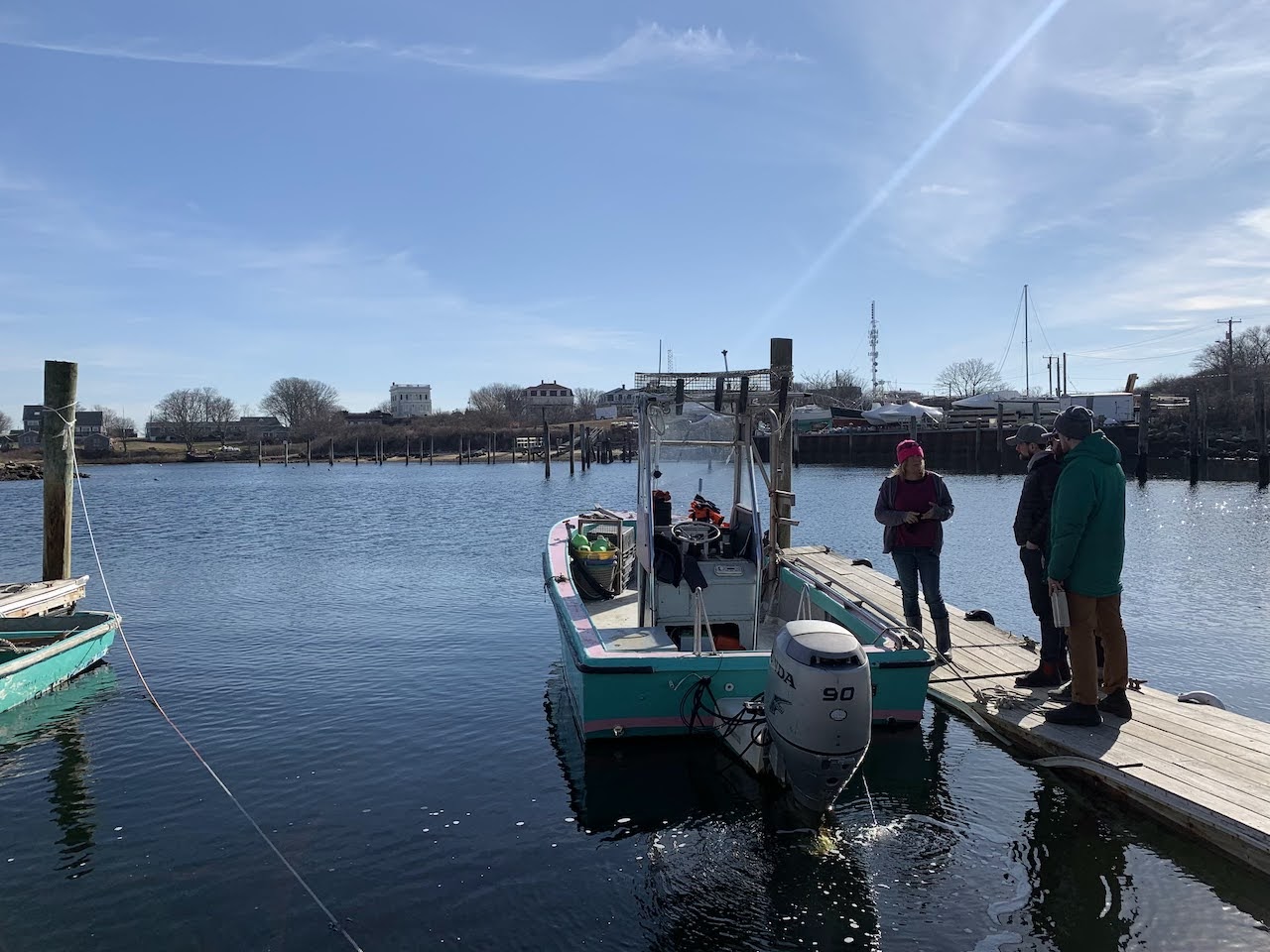
Some activities that might help deepen relationships include:
- Inviting customers on a farm tour
- Providing regular updates, including photos, on the growth on your farm
- Offering to help develop menu specials once samples are available
- Inviting your customers to join you in presenting at conferences or regional events
- Planning a harvest season kickoff party in collaboration with your wholesale customers
- Helping to promote your wholesale customers’ activities in general, even if they don’t directly relate to kelp
Industry Tip

Of course, if you’re nurturing a relationship with a prospective customer — someone who has yet to make a commitment to purchase — keep your eye on the prize. After each interaction, follow up to see whether the experience has helped address any questions or concerns they had and ask if there’s any additional information they need to make a purchase.
Industry Tip
When contacting prospective or current customers, remember to use whatever form of communication is preferred by them. The standard expectations vary by industry (e.g. chefs usually prefer text to email because they’re rarely in front of a computer), but it’s also a matter of personal preference. You can tell which form of communication someone prefers by how they reach out to you, either pro-actively or in response to something you’ve sent. For example, if you send an email to a CPG company and they call you to talk about it rather than responding via email, it’s likely that they prefer to communicate over the phone.