Wholesale Customers

Wholesale customers are businesses that plan to re-sell your product, or as an input to their own value-added product. The individuals who do the purchasing for these businesses have the same four practical considerations as your retail customers (see previous section), AND they have a few additional requirements driven by the needs of their business. Those include:

Wholesale customers are businesses that plan to re-sell your product, or use it as an input to their own value-added product
  1. Sell Sheet

    A physical and/or digital product list with product sizes, pricing, and contact information clearly listed. You may also want to include cooking suggestions, social media handles, and photos of the product, and ingredients, if applicable. Your sell sheet should also tell your story, which will help your wholesale customers in turn tell their story. 

     

  2. Samples

    Before a wholesale customer commits to making a large purchase, they will almost always require samples for product development. Depending on the volume required, these are normally provided for free or at a lower than normal price. 


  3. Consistency

    Because your product is just one ingredient in whatever your wholesale customer is making, it is very important that it be a consistent format and quality so it performs reliably in their recipe.


  4. Professionalism

    Selling to businesses requires that you put some thought into how ordering, delivery, and billing will work and that you are able to provide responsive  communications and customer service. 


GreenWave Resource

A sell sheet is a list of products with sizes, pricing, and contact information clearly defined. Download a fictional sell sheet example for the GreenWave farm.

Right-Sizing

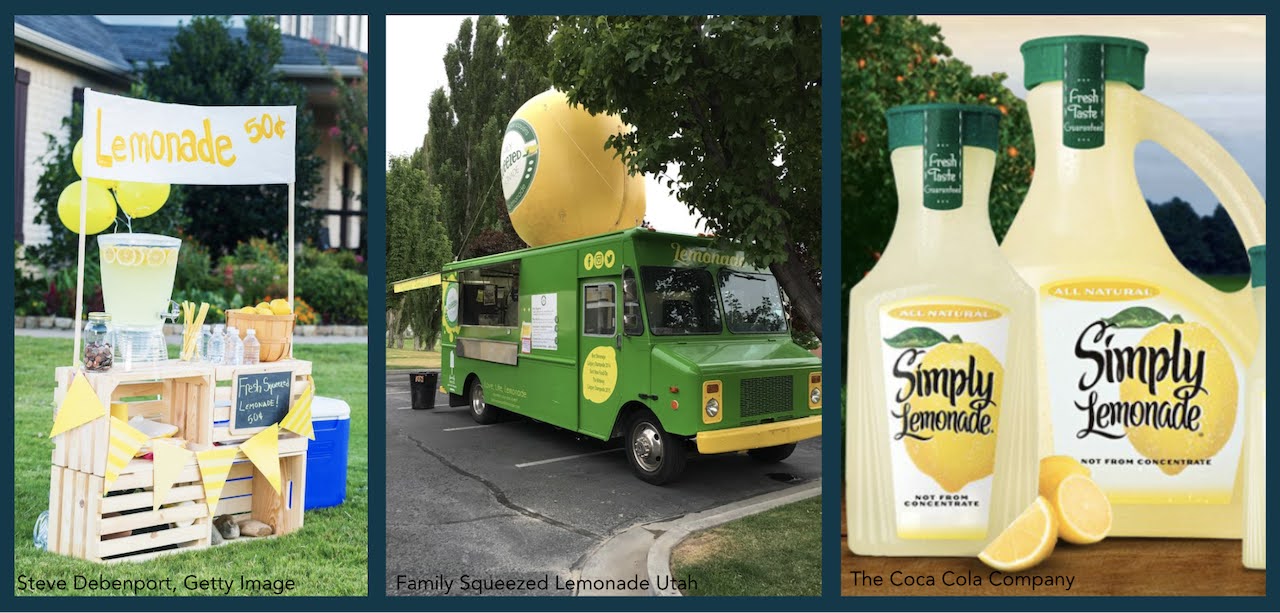
Your wholesale customers should also be right-sized for where you are in your business development process. Just like a middle schooler’s lemonade stand would not try to land a baseball stadium as their first customer, beginning kelp farmers should not be out there pitching Unilever — it will result in disappointment for everyone involved. In your first few years, try to find wholesale buyers that are also on the smaller side, and who understand both your current capabilities and timeline for scaling. In most cases, these will be local restaurants or retail grocery stores for food-grade kelp, and organic farms for non-food-grade kelp. 

Definition

Right-Sizing

Right-sizing means ensuring that all members of a supply chain, from farmer to processor to buyer, are of a similar size, or at least have an accurate understanding and alignment around each others’ current capabilities and timeline for growth.

Right-sizing is an important part of choosing your wholesale customers.